
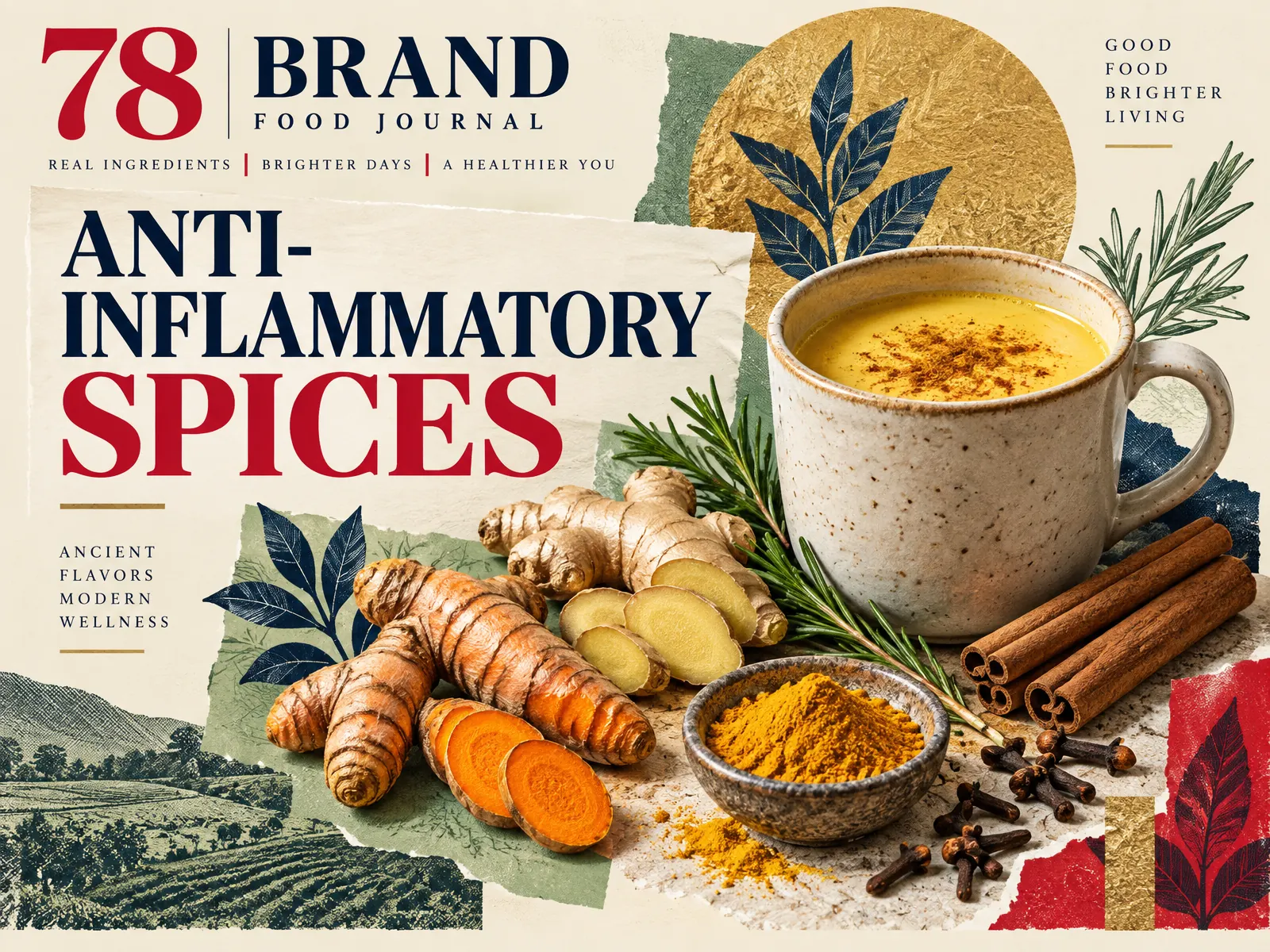
Inflammation has a bad reputation it only half deserves.
When you cut your finger or catch a cold, inflammation is your body doing its job. Blood rushes in, repair crews get to work, and a few days later it is over. That kind is short, useful, and gone.
The kind worth paying attention to is the other kind: low-grade inflammation that lingers for months or years. Researchers link chronic inflammation to many of the health problems that pile up with age. That is why "anti-inflammatory spices" gets searched thousands of times a month. People want to know whether the jars in their kitchen can help.
Some of them may. Here is what the research actually supports, what it does not, and how to use these spices every day without buying into miracle claims.
How researchers measure inflammation
You cannot feel chronic inflammation the way you feel a sprained ankle. So researchers track it in the blood, through markers like C-reactive protein (CRP) and signaling molecules called cytokines, such as TNF-alpha and IL-6. When a study says a spice "reduced inflammation," it usually means one or more of those numbers went down.
That matters for two reasons. A lower lab number is not the same thing as feeling better or preventing disease. And most of those studies test supplements, not the amounts you would cook with. Keep both in mind as you read.
What we believe at 78
The 78 team believes food is one of the most important tools we have for taking care of our bodies, and that a lot of it starts with gut health. Spices have been part of that for generations. For centuries, people used them not only to flavor food, but to support the body. We think they deserve a place in your daily diet: a pinch of turmeric in your eggs, a crack of pepper and a spoon of mustard in your salad dressing, fresh ginger in your morning drink. Small habits, every day, add up.
We also believe you have to know your spices. Not every spice is right for every body. People process food differently, and spices are no exception. Learn which spices work for you, and which ones your body does not need. That goes for pretty much everything you eat.
Why gut health keeps coming up
Your gut is home to trillions of bacteria, and the mix of those bacteria appears to play a role in digestion, immunity, and inflammation. What you eat shapes that mix.
Spices look like part of the picture. In a 2023 study published in The Journal of Nutrition, Penn State researchers added blends of herbs and spices, including cinnamon, ginger, cumin, turmeric, rosemary, oregano, basil, and thyme, to the carefully controlled diets of adults at risk for heart disease. After four weeks, people eating about a teaspoon or more of herbs and spices a day showed more diverse gut bacteria, including more of a family called Ruminococcaceae, which is associated with healthy metabolism and immune function.
It was a small, early study, and it measured bacteria, not health outcomes. But it points in the same direction as centuries of kitchen wisdom: a varied, spice-rich diet seems to be kind to the gut.
The anti-inflammatory spices worth knowing
Turmeric
The most studied spice for inflammation, thanks to its compound curcumin. The National Center for Complementary and Integrative Health (NCCIH) says there is not enough evidence to conclude that turmeric helps any specific condition overall. The bright spot is joints: a 2021 systematic review of 10 studies with 1,287 participants found turmeric may ease knee osteoarthritis pain about as well as common anti-inflammatory drugs.
The catch is absorption. Curcumin is poorly absorbed on its own, which is why it is traditionally cooked with black pepper and fat. We explain exactly why in Turmeric and Black Pepper: Why This Old Pairing Works.
Ginger
Ginger has some of the strongest blood-marker evidence of any spice. A 2020 meta-analysis of 16 randomized controlled trials with 1,010 participants found that ginger supplements significantly lowered CRP and TNF-alpha.
Here is the honest twist. When NCCIH looked at knee osteoarthritis, a 2020 review of seven trials found insufficient evidence that oral ginger relieves the pain. The numbers moved. The symptoms were not proven to follow. That gap between lab markers and how people feel is common in inflammation research, and it is worth remembering whenever you see a bold claim.
Cinnamon
Cinnamon contains compounds with antioxidant and anti-inflammatory activity in the lab. In people, most research has focused on blood sugar, with conflicting results. If you use a lot of it, know that cassia cinnamon, the most common kind in American stores, contains coumarin, which in large amounts may cause liver problems. Ceylon cinnamon contains only traces.
Cloves
Cloves are rich in eugenol, which shows strong anti-inflammatory and antioxidant activity in lab studies. Human trials on eating cloves are scarce, so this one is promising rather than proven.
Rosemary
Rosemary is packed with antioxidant compounds. It also earns a practical spot on this list: studies have found that rosemary in marinades can reduce some of the harmful compounds that form when meat is grilled at high heat.
Black pepper
Piperine, the compound behind pepper's bite, shows anti-inflammatory activity in the lab. Its bigger role is as a helper: a 1998 study found piperine raised curcumin levels in the blood by about 2,000%.
Chili peppers
Capsaicin, the source of chili heat, has anti-inflammatory activity in lab studies, and a 2020 meta-analysis presented to the American Heart Association linked frequent chili pepper eating with lower rates of death from heart disease, though those studies show association, not proof. Chili is also the perfect example of why your body gets a vote. For some people, spicy food triggers heartburn or an unhappy gut.
Garlic
Garlic is studied mostly for blood pressure and cholesterol, where NCCIH describes the effects as small. Its sulfur compounds show anti-inflammatory activity in the lab. It is also one of the spices on the next list, for people with sensitive digestion.
Spices your body may not need
This is the part most spice articles skip. The same spice that works well for one person can be a problem for another.
- Heartburn or reflux. Chili, black pepper, and garlic can trigger symptoms in some people.
- Sensitive digestion. Garlic and onion are high in fermentable carbohydrates known as FODMAPs, which bother many people with irritable bowel syndrome.
- Allergies. Any spice can cause an allergic reaction. Mustard is common enough that Canada and the European Union list it as a major food allergen.
- Medications. Garlic, ginger, and turmeric supplements may affect bleeding and interact with blood thinners. Piperine can change how your body processes some medications.
- Pregnancy. Fenugreek is not considered safe during pregnancy in amounts greater than those found in food.
Pay attention to how you feel after meals. Your body keeps better records than any study.
Easy ways to use anti-inflammatory spices every day
You do not need a supplement aisle. You need a few habits.
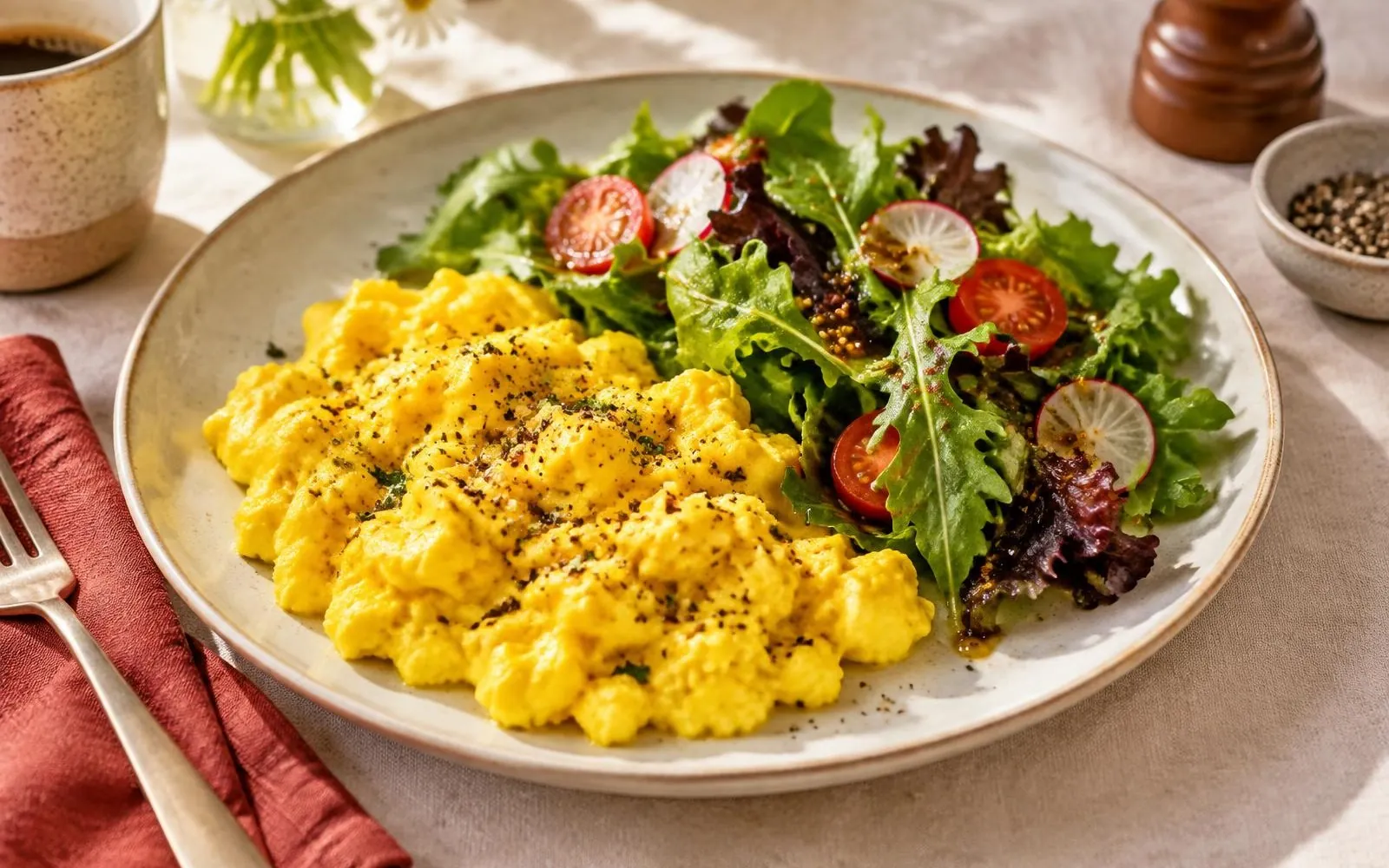
Breakfast. Stir a pinch of turmeric and a crack of black pepper into scrambled eggs cooked in a little butter or olive oil. Add cinnamon to oatmeal or coffee.
Lunch. Whisk a salad dressing from olive oil, lemon, a spoon of mustard, a pinch of ground ginger, and cracked pepper. Sprinkle a little mustard powder over roasted broccoli. It helps your body get more of broccoli's best-studied compound, sulforaphane.
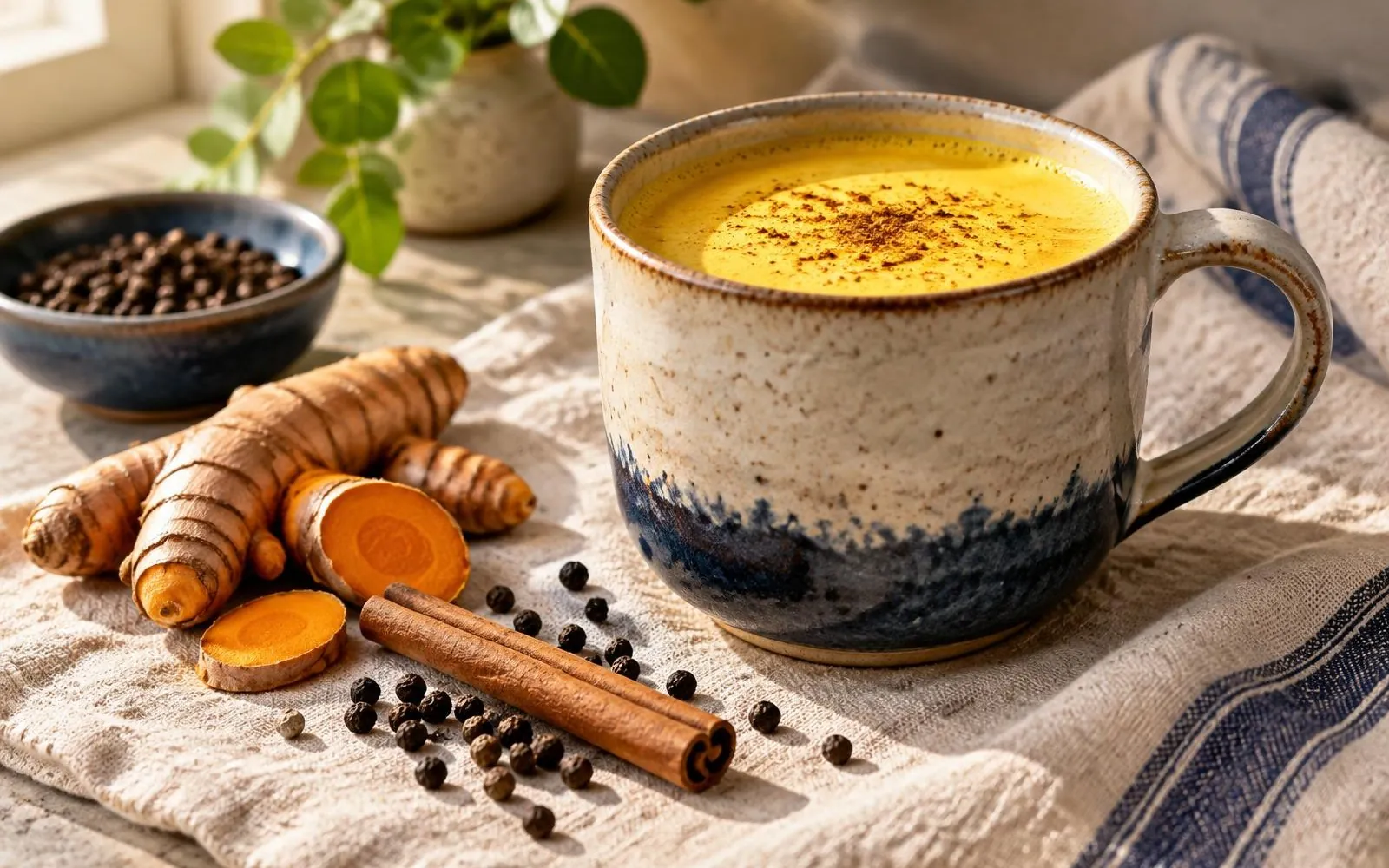
Drinks. Steep a few slices of fresh ginger in hot water with lemon. Or make golden milk: warm milk, a teaspoon of turmeric, a pinch of black pepper, a little cinnamon, and a touch of honey.
Dinner. Warm your spices in oil for 30 seconds before adding everything else. It wakes up the flavor, and turmeric's curcumin dissolves in fat. Marinate meat with rosemary before it hits the grill.
Anti-inflammatory spice teas
Three simple ones to start with:
- Ginger tea. Five or six thin slices of fresh ginger, steeped in just-boiled water for 10 minutes.
- Golden milk. Turmeric, black pepper, and cinnamon warmed into milk. The fat in the milk helps.
- Cinnamon clove tea. One cinnamon stick and three whole cloves, simmered for 10 minutes. Sweeten lightly if you like.
Spices are the supporting cast
Here is the most important thing we can tell you: no spice can outwork the rest of your plate.
According to Harvard Health, an anti-inflammatory way of eating looks a lot like the Mediterranean diet. It is built on fruits, vegetables, whole grains, nuts, fatty fish, and olive oil, with less fried food, soda, refined carbohydrates, and processed meat. Spices do not replace that pattern. What they do is make it taste good enough to stick with, day after day. That may be their most valuable job of all.
Spice, the 78 way
We build our condiments around real ingredients, and the spices are no exception.
- 78 Yellow Mustard is mustard-seed rich, and its yellow comes from the seed itself, not a dye.
- 78 Spicy Mustard gets its warmth from real peppers.
- 78 Spicy Ketchup layers real peppers over a 78% tomato base.
- 78 Original Ketchup keeps it simple: 78% tomatoes and real sugar.
A condiment is a flavor choice, not a health treatment, and we will never pretend otherwise. But we would rather use the real thing.
78 spices are coming soon. We are bringing the same real-ingredient approach behind our ketchup and mustard to a line of spices, under the 78 Brand umbrella.
Frequently asked questions
What is the strongest natural anti-inflammatory spice?
Turmeric is the most studied, and ginger has some of the strongest evidence for lowering inflammation markers in blood tests. But "strongest" is the wrong question. No single spice has been proven to treat inflammation in people, and a varied, spice-rich diet is a better bet than any one jar.
Which spices are anti-inflammatory?
Turmeric, ginger, cinnamon, cloves, rosemary, black pepper, chili peppers, and garlic are the spices most often studied for inflammation. The strongest human evidence is for turmeric in knee osteoarthritis and for ginger in lowering blood markers. Much of the rest comes from lab studies.
Is spicy food inflammatory?
Not for most people. Capsaicin shows anti-inflammatory activity in lab studies. But spicy food can trigger heartburn or digestive discomfort in some people, so let your body be the judge.
Can I drink ginger or turmeric tea every day?
For most people, yes, in normal food amounts. If you take blood thinners or other prescription medication, are pregnant, or plan to take concentrated supplements, talk to your doctor first.
Do spices help gut health?
Early research suggests they may. A 2023 Penn State study found that adding about a teaspoon or more of mixed herbs and spices to a daily diet made gut bacteria more diverse within four weeks. It was a small study that measured bacteria rather than health outcomes, but the direction is encouraging.
Sources
This article is for general information and is not medical advice. Talk with your doctor or pharmacist before taking any herbal supplement, especially if you are pregnant, nursing, or take prescription medication.
- NCCIH, Turmeric: Usefulness and Safety. https://www.nccih.nih.gov/health/turmeric
- NCCIH, Nutritional Approaches for Musculoskeletal Pain: What the Science Says. https://www.nccih.nih.gov/health/providers/digest/nutritional-approaches-for-musculoskeletal-pain-and-inflammation-science
- Effect of ginger (Zingiber officinale) on inflammatory markers: a systematic review and meta-analysis of randomized controlled trials (2020). https://pubmed.ncbi.nlm.nih.gov/32763761/
- NCCIH, Ginger: Usefulness and Safety. https://www.nccih.nih.gov/health/ginger
- NCCIH, Cinnamon: Usefulness and Safety. https://www.nccih.nih.gov/health/cinnamon
- Pharmacological Properties and Health Benefits of Eugenol: A Comprehensive Review (PMC). https://pmc.ncbi.nlm.nih.gov/articles/PMC8357497/
- Shoba G. et al. (1998). Influence of piperine on the pharmacokinetics of curcumin in animals and human volunteers. Planta Medica. https://doi.org/10.1055/s-2006-957450
- American Heart Association, People who eat chili pepper may live longer? (2020). https://newsroom.heart.org/news/people-who-eat-chili-pepper-may-live-longer
- NCCIH, Garlic: Usefulness and Safety. https://www.nccih.nih.gov/health/garlic
- Herbs and Spices Modulate Gut Bacterial Composition in Adults at Risk for CVD, The Journal of Nutrition (2023). https://pubmed.ncbi.nlm.nih.gov/36774112/
- Harvard Health, Anti-inflammatory diet: Foods that help reduce chronic inflammation. https://www.health.harvard.edu/diet-and-nutrition/anti-inflammatory-diet-foods-that-help-reduce-chronic-inflammation
- NCCIH, Fenugreek: Usefulness and Safety. https://www.nccih.nih.gov/health/fenugreek